Kōrero: Hauraki–Coromandel region

Summer population explosion, 2009–2010

4 Jan 14,345 26 Dec 15,711 Normal population 3,655 31 December (New Year’s Eve) 24,337 people 4 Jan 6,584 31 Dec 6,833 Normal population 7,657 26 December (Boxing Day) 9,235 people 4 Jan 9,350 26 Dec 8,801 Normal population 747 1 January (New Year’s Day) 14,401 people 4 Jan 6,657 26 Dec 4,007 Normal population 1,335 31 December (New Year’s Eve) 8,437 people 4 Jan 4,216 26 Dec 3,129 Normal population 457 31 December (New Year’s Eve) 4,821 people 4 Jan 10,213 26 Dec 9,947 Normal population 4,115 31 December (New Year’s Eve) 19,770 people 4 Jan 4,520 26 Dec 3,292 Normal population 332 1 January (New Year’s Day) 5,951 people 4 Jan 4,150 26 Dec 3,412 Normal population 279 31 December (New Year’s Eve) 7,015 people 4 Jan 4,074 26 Dec 3,901 Normal population 1,657 1 January (New Year’s Day) 5,380 people 4 Jan 1,722 26 Dec 1,722 Normal population 145 31 December (New Year’s Eve) 2,654 people
  • Whangamatā

  • Thames

  • Pāuanui

  • Tairua

  • Hahei

  • Whitianga

  • Cooks Beach

  • Matarangi

  • Coromandel

  • Whangapoua

Click on town names for information

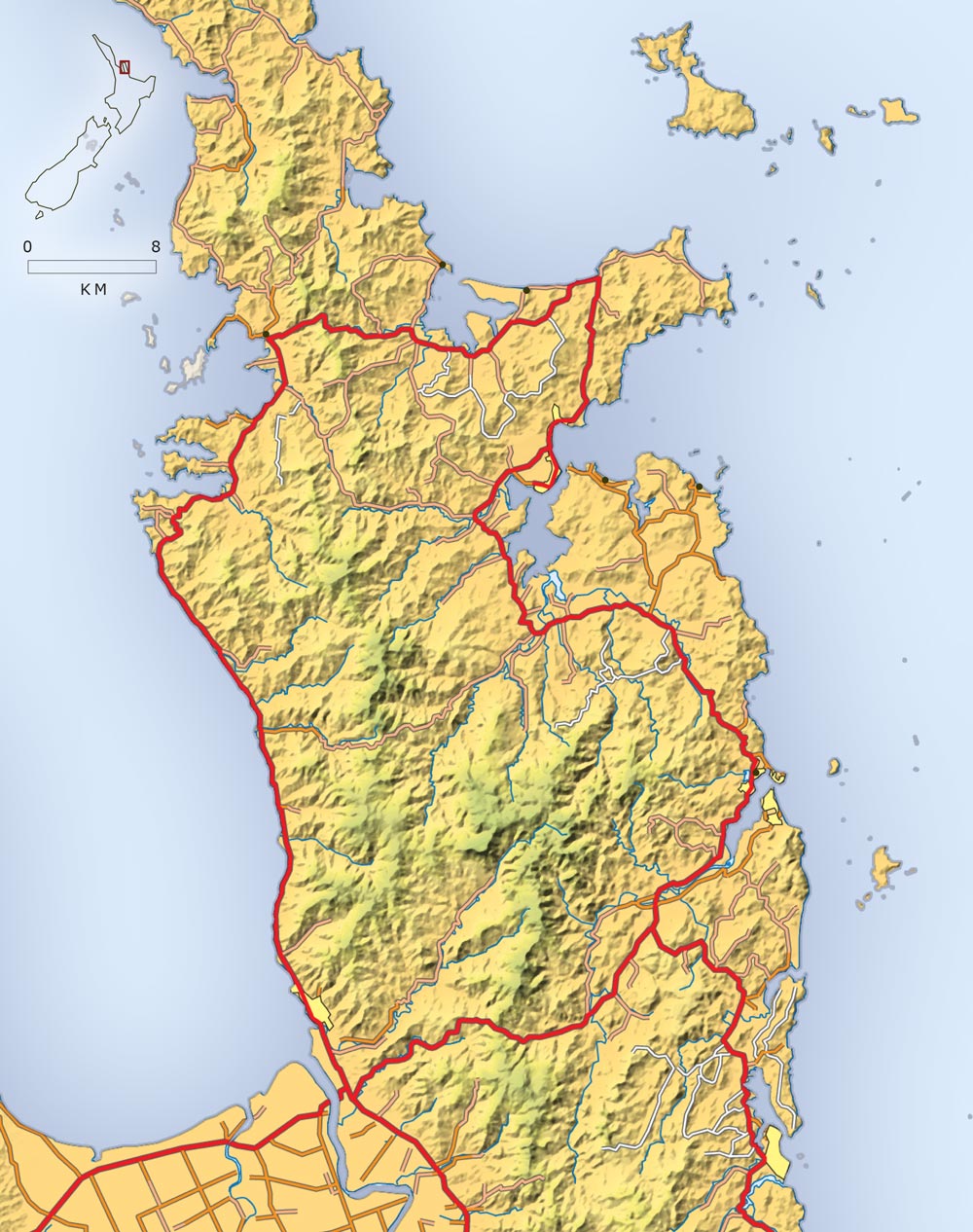
A massive seasonal increase in population takes place in towns on the Coromandel Peninsula through the summer, and particularly between Christmas and New Year.

Te whakamahi i tēnei tūemi

Te Ara - The Encyclopedia of New Zealand

Source: Thames–Coromandel District Council peak population survey 2009/2010

This item has been provided for private study purposes (such as school projects, family and local history research) and any published reproduction (print or electronic) may infringe copyright law. It is the responsibility of the user of any material to obtain clearance from the copyright holder.

Ngā whakaahua me ngā rauemi katoa o tēnei kōrero

Me pēnei te tohu i te whārang

Paul Monin, Hauraki–Coromandel region – Population and society since 1910, Te Ara – the Encyclopedia of New Zealand, https://teara.govt.nz/mi/interactive/30498/summer-population-explosion-2009-2010 (accessed 25 June 2026).

He kōrero nā Paul Monin, i tāngia i te 13 December 2010, updated 1 April 2016.