

-
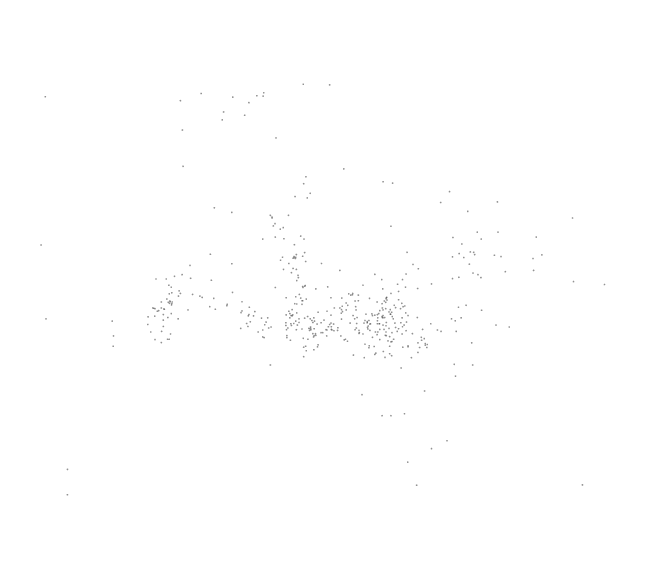
0–2.5
-
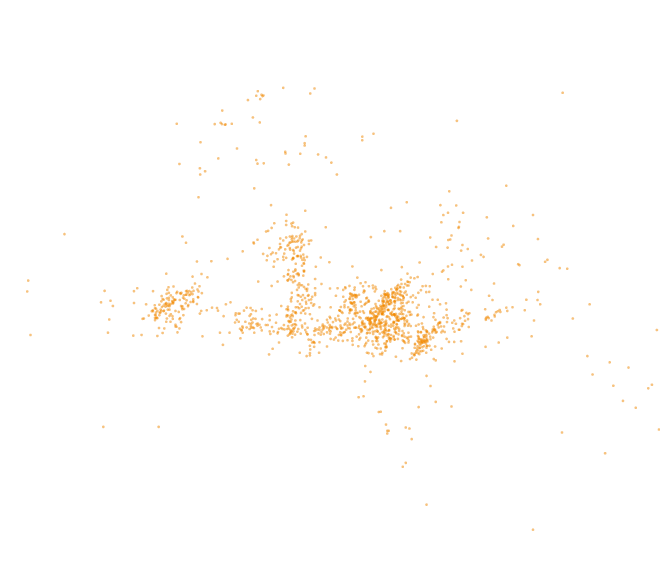
2.5–3.0
-
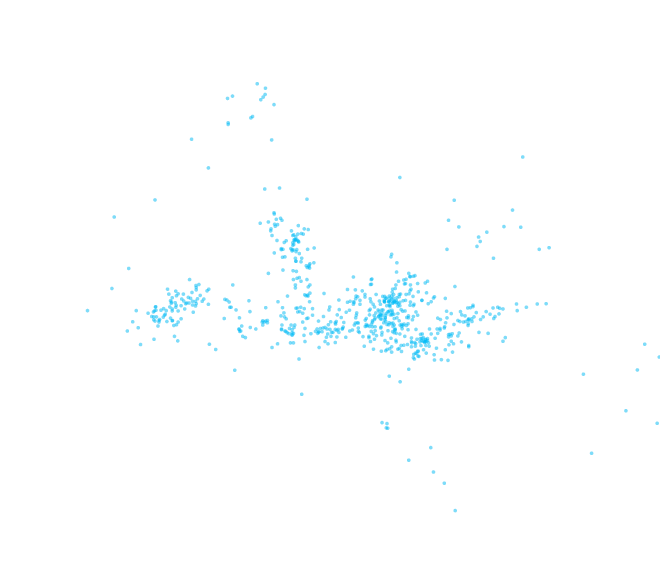
3.0–3.5
-
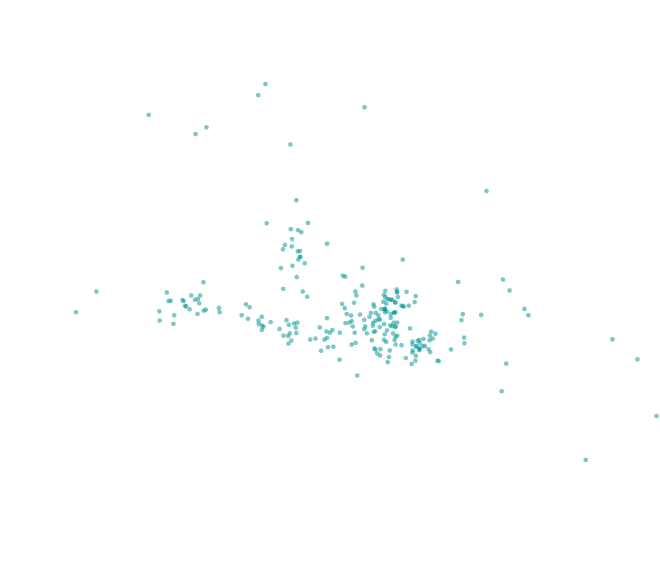
3.5–4.0
-
4.0–5.0
-
5.0–7.0
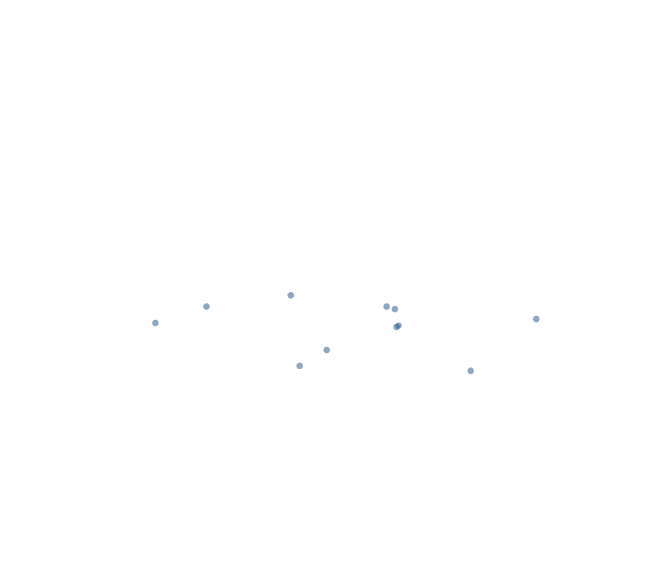
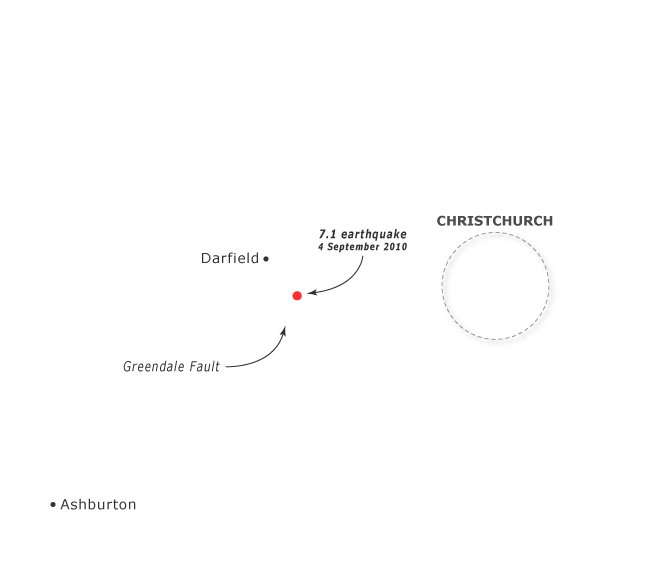
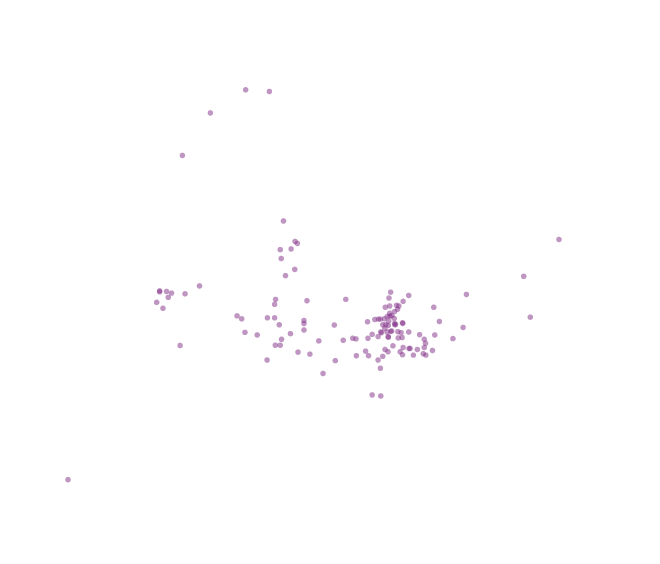
A key feature of the Darfield earthquake was its aftershocks. Many people were surprised by the severity and frequency of these. While aftershocks are common after large earthquakes they are usually not felt, as most large earthquakes in New Zealand since the 1931 magnitude 7.8 Hawke’s Bay earthquake have occurred in remote areas or their epicentres have been deeper. As the Darfield earthquake was shallow, so were most aftershocks. Their locations close to the South Island’s largest city meant that many people felt them and endured nights of broken sleep.
While most of the aftershocks were aligned along the Greendale Fault there was a ‘finger’ trending northwards from the epicentre and another cluster at the western end. The epicentre is also some distance from the surface rupture. Seismologists suggest these features indicate that the event was complex and involved multiple faults.
Te whakamahi i tēnei tūemi
Te Ara – The Encyclopedia of New Zealand
This item has been provided for private study purposes (such as school projects, family and local history research) and any published reproduction (print or electronic) may infringe copyright law. It is the responsibility of the user of any material to obtain clearance from the copyright holder.