


Gold discoveries
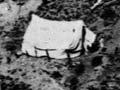
While the state brought families and soldiers to New Zealand, gold was the lure for a different type of migrant. The discovery of gold at Aorere in Nelson province attracted perhaps 2,000 people between 1857 and 1859. Many were locals, including Māori, but some came from Australia. They were almost all men.
In May 1861 Gabriel Read, a prospector from Tasmania, found gold ‘shining like the stars in Orion on a dark frosty night’ in Central Otago.
By December there were 14,000 people on the Tuapeka field in Otago. Further rushes to Dunstan, Wakatipu and Taieri saw more than 22,000 on the fields by early 1864. Many of these miners then surged up to Wakamarina in Marlborough and across to the West Coast. By 1866 there were probably 30,000 people in Westland. The next year there were further discoveries in Thames–Coromandel.
Who were the miners?
Legend says the miners were a transient band of footloose men that formed in California in 1849, rushed to Australia’s Victorian fields in the 1850s, and then came on to New Zealand. Many did come from Australia, not only in 1861 but later directly from Melbourne to Hokitika. It is also true that in the early stages the newcomers were overwhelmingly male, and about 90% were unmarried. But the goldfields also attracted a less transient supporting cast of publicans, bankers, prostitutes and shopkeepers. After establishing themselves, some miners sent for their families. It also appears that many miners were comparatively young, not veterans of previous gold rushes or former convicts. More likely they were recent migrants to Australia who could not easily enter the capital-intensive Victorian mining industry. The alluvial fields of New Zealand offered opportunity for those with nothing more than their wits and the stamina to withstand cold winters and stony beds.
Places of origin
One-third of the miners on the Otago goldfields were born in England. Many of them came from Cornwall, where copper mining was declining. Slightly fewer came from Scotland and Ireland.
From copper to gold
On the Tuapeka goldfields today can be found ‘Cornishman’s dam’, named after one of the many Cornish gold miners. Faced with the collapse of the Cornish copper-mining industry, some of them had come originally to the South Australian copper mines, while others had been assisted to Canterbury to dig the Lyttelton–Christchurch railway tunnel.
Among the Scots, the most distinctive group were from the Shetland Islands, pushed out by land clearances and attracted by articles in the Shetland Advertiser in 1862. Many Irish came to Australia as assisted migrants and then moved across the Tasman. They included large numbers of Catholics from the south-west of Ireland.
Non-British miners
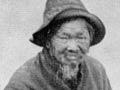
The goldfields also attracted people from outside the British Isles. Despite the legend of hordes from California, the number of American-born residents increased by only 500 between 1861 and 1871. A number of gold miners came from Germany, Scandinavia and other European countries. The most significant new group were the Chinese (mostly from Guangdong province) – the census of 1871 recorded 2,641, the greatest number from any non-British country. Virtually all were on the Otago goldfields, and there were only four females among them.
The impact of the miners
The miners did not revolutionise New Zealand’s population. Most were English-speaking and, like New Zealand’s other immigrants, had been agricultural labourers or craft workers. What they brought were some distinctive traditions – of the Shetlanders, the Cornish, the Munster Irish and the Chinese – and a rekindling of the Australian masculine culture which had been so strong among New Zealand’s earliest settlers.