Kōrero: Historic earthquakes

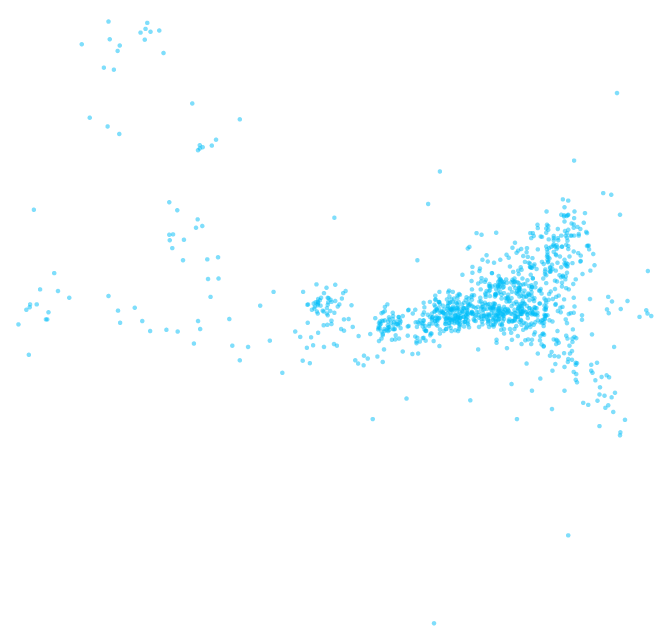
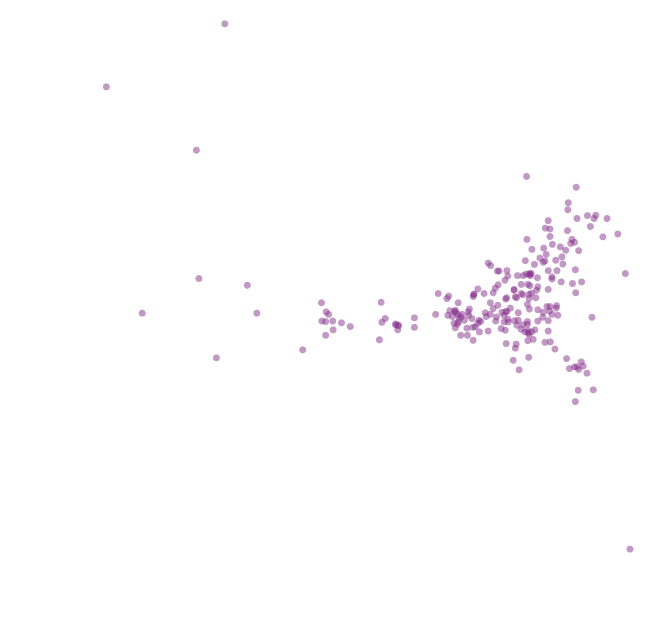
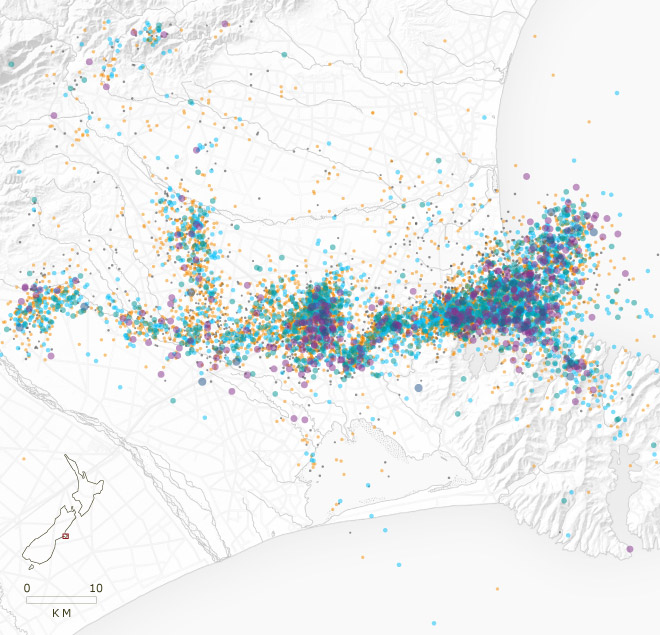
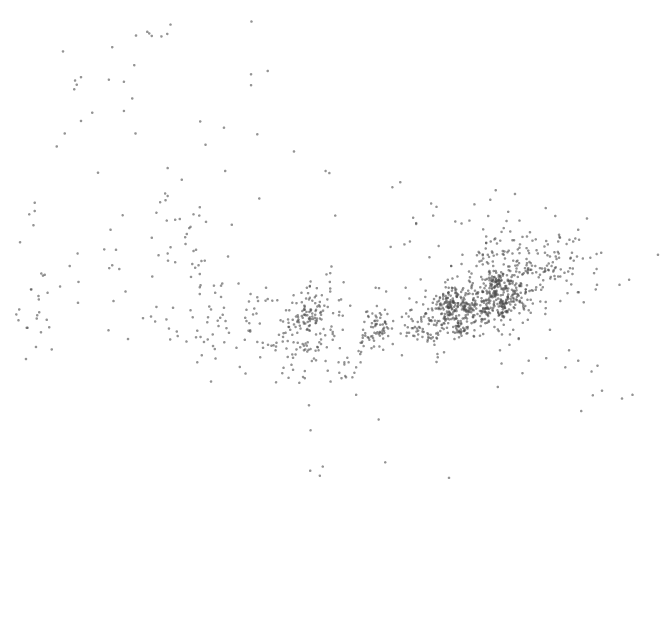
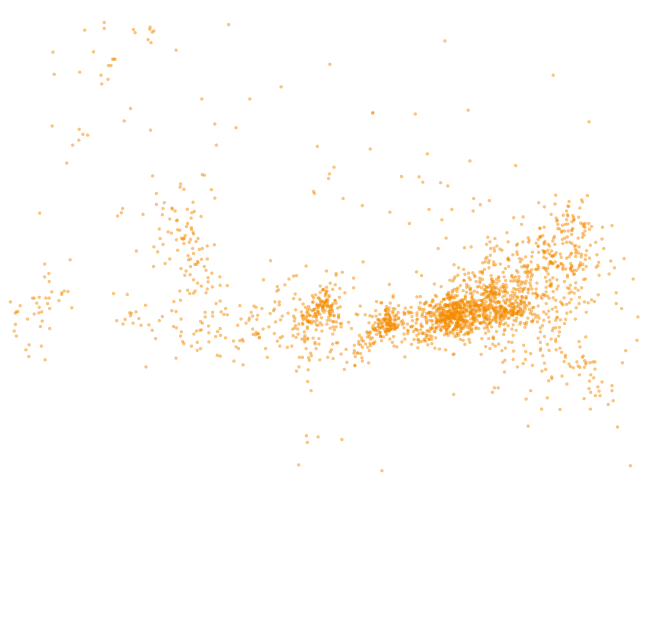
Aftershocks, 22 February 2011 to 11 February 2012

  • 0–2.5

  • 2.5–3.0

  • 3.0–3.5

  • 3.5–4.0

  • 4.0–5.0

  • 5.0–6.0

  • All since 4 September 2010

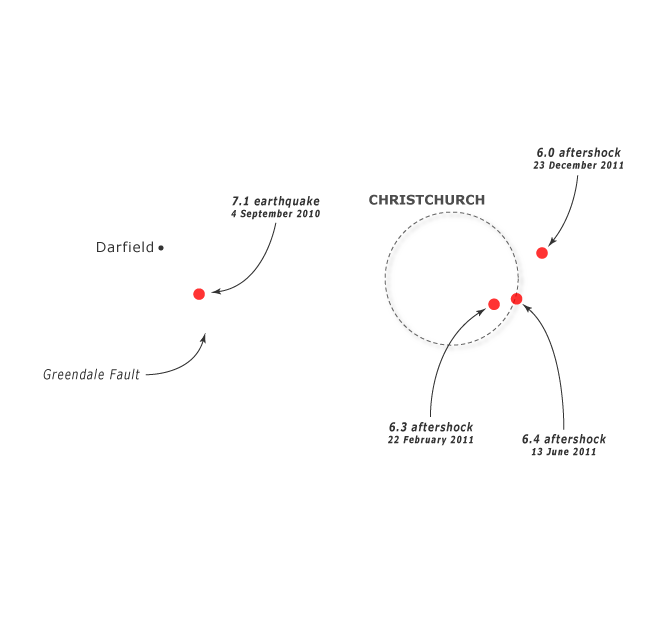
Following the magnitude 6.3 Lyttelton earthquake on 22 February 2011 there were many aftershocks. Seismologists believe that the 22 February quake was itself an aftershock of the magnitude 7.1 earthquake centred on Darfield on 4 September 2010. At magnitude 6.3, the Lyttelton quake was so large that it generated its own series of aftershocks.

Te whakamahi i tēnei tūemi

Te Ara – The Encyclopedia of New Zealand

This item has been provided for private study purposes (such as school projects, family and local history research) and any published reproduction (print or electronic) may infringe copyright law. It is the responsibility of the user of any material to obtain clearance from the copyright holder.

Ngā whakaahua me ngā rauemi katoa o tēnei kōrero

Me pēnei te tohu i te whārang

Eileen McSaveney, Historic earthquakes – The 2011 Christchurch earthquake, Te Ara – the Encyclopedia of New Zealand, https://teara.govt.nz/mi/interactive/32121/aftershocks-22-february-2011-to-11-february-2012 (accessed 4 June 2026).

He kōrero nā Eileen McSaveney, i tāngia i te 25 February 2011, updated 1 November 2017.

Comments

Alan McKay
05 March 2011
I think there is a way to "rotate" information so as to reveal previously hidden aspects; possibly allowing dramatic advances in earthquake-forecasting through pre-quake signature build-up patterns (of stress (re) distribution) (leading to the type of cohering structures that would appear to be a necessary (from physics perspective) state for an actual earthquake to occur) (I haven't read the "disclaimer") (Higher dimensional sorting of information!.......)(I am writing a document on this and related subjects)