



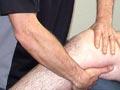
Allied health practitioners work in fields other than medicine or nursing.
Regulation
Regulated allied practitioners are covered by the Health Practitioners Competence Assurance Act 2003. In addition to medicine and nursing, the act covers anaesthetic technology, chiropractic, dentistry and related professions, dietetics, medical laboratory science, medical radiation technology, midwifery, occupational therapy, optometry and optical dispensing, osteopathy, pharmacy, physiotherapy, podiatry, psychology and psychotherapy.
There is provision in the act for more occupations to be regulated. In 2016 traditional Chinese medicine was being considered for regulation.
Pharmacy
Pharmacists play an important part in the health workforce by providing access to medicines, optimising their use, and ensuring the quality of medicines is consistently high. They provide patient- and whānau-focused care and contribute to achieving equitable health outcomes for all. In June 2025 there were 4,279 registered pharmacists.
By diagnosing and treating common conditions like skin infections, allergies, or cold symptoms, pharmacists offer quick, expert care without needing a doctor’s visit. They can prescribe medications for various health issues, providing convenient access to treatments and ensuring patients get the care they need. As the first point of contact, pharmacists guide patients through health challenges, offering advice, treatment, and referrals when necessary, making healthcare more accessible.
Pharmacists also actively educate patients on how to manage chronic conditions such as diabetes or high blood pressure and guide them in using health technology like glucose monitors or apps to track health data. They use expert clinical knowledge to tailor treatments to individual patients, ensuring medications work best for their unique needs. Pharmacists are central to improving community health, from delivering immunisations vaccinations to screening for conditions like heart disease.
Cost cutting
In November 2009 ACC reduced funding for physiotherapy by reducing the fee paid to physiotherapists for each treatment by one-third. ACC said that physiotherapy costs had increased from $39.7 million in 1999/2000 to $144 million in 2008/9. Critics said that physiotherapists were already underfunded and that limits on the amount of treatment in the short term would cause health costs to increase in the long term.
Physiotherapy
Physiotherapy developed from therapeutic massage, which emerged in the late 19th century. Official training courses started at hospitals in 1913. These courses evolved into four-year degree programmes available at the University of Otago and the Auckland University of Technology.
Physiotherapists have established themselves as experts in the treatment of sports injuries. They have many clients who receive funding for treatment through the Accident Compensation Corporation (ACC).
ACC and health providers
ACC provides no-fault personal injury cover for all New Zealanders and visitors to New Zealand. Many allied practitioners are ACC-registered so they can care for people who have received compensation.