

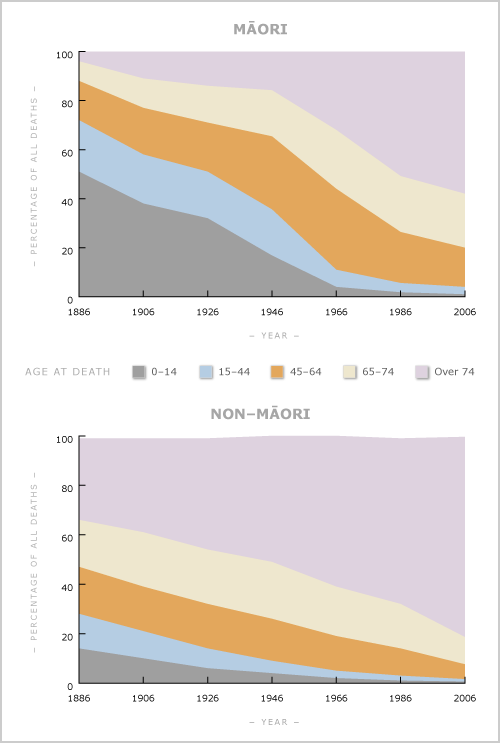
This life-expectancy graph shows the separate epidemiological transitions of Māori and non-Māori. (Data was not available for Māori in 1876.) The transition – increased life expectancy, and a decrease in deaths from infectious diseases – happened between 1876 and 1945 for Pākehā, but only began in the mid-20th century for Māori. In 1945 Māori had lower life expectancy than non-Māori had had in 1876. By 1976, however, the gap was closing, and that trend continued.
Te whakamahi i tēnei tūemi
Te Ara – The Encyclopedia of New Zealand
Source: Ian Pool and Jit Cheung, using Statistics New Zealand data
This item has been provided for private study purposes (such as school projects, family and local history research) and any published reproduction (print or electronic) may infringe copyright law. It is the responsibility of the user of any material to obtain clearance from the copyright holder.