

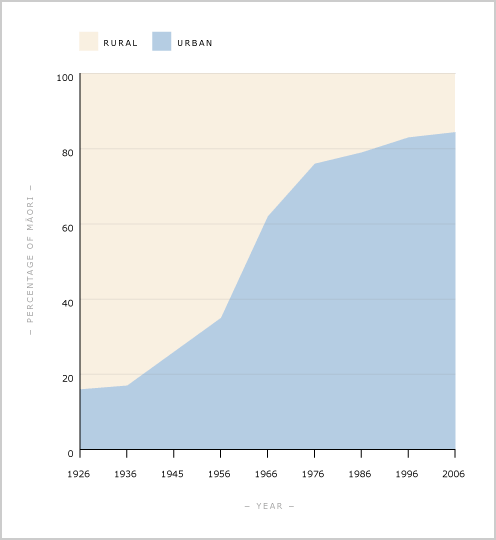
This graph shows the remarkable increase in the proportion of Māori living in cities between the 1940s and the 1970s. Once in the city Māori were forced to enter the capitalist wage-earning world and to compete with others for housing. Inequalities and differences between Māori and the rest of the community became much more obvious.
Te whakamahi i tēnei tūemi
Te Ara - The Encyclopedia of New Zealand
Sources: Ian Pool, Te iwi Maori: a New Zealand population, past, present & projected. Auckland: Auckland University Press, 1991, pp. 123, 154, 182, 197; Statistics New Zealand.
This item has been provided for private study purposes (such as school projects, family and local history research) and any published reproduction (print or electronic) may infringe copyright law. It is the responsibility of the user of any material to obtain clearance from the copyright holder.