… The tangata whenua speaker is the final speaker. The tribes that follow this kawa are largely descended from tribes that arrived on the Te Araw a canoe (Te Arawa and … tau utuutu, there are some tribal variations. Te Āti Awa tribes hongi (press noses briefly) and harirū (shake hands) …
Type: Story Page
… the Māori economy was based on a barter system. Hapū (subtribes) and iwi (tribes) exchanged goods on a regular basis. Lands, fisheries … a short period after its discovery it had been traded with tribes all around the country. Some even made it to the …
Type: Story Page
… schooner cost Bay of Plenty Māori 500 pigs. A new currency Tribes often made gifts of valued items, probably helping … weapons, giving him a strong military advantage over other tribes. Potatoes provided surplus food that could feed …
Type: Story Page
… began hearings on a claim by Ngāpuhi and other northern tribes which included the assertion that they had never … final settlements without claimants knowing what other tribes were to obtain. In 1994 the government imposed a $1 … Chris Finlayson. The rapid pace was criticised by some tribes who claimed that the government placed undue pressure …
Type: Story Page
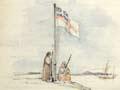
… described as a man o’ war (warship) without guns. United Tribes’ flag New Zealand-owned ships were in danger of being … the chiefs selected one which became known as the United Tribes’ flag. It received a 21-gun salute, and was …
Type: Story Page
… and Remutaka ranges east to the coast). The Ngāti Kahungunu tribe’s Wairarapa Tāmaki-nui-a-rua administrative boundary … the eastern North Island from Wairoa. For the Rangitāne tribe, Wairarapa is part of a wider homeland that includes …
Type: Story Page
… for us.’ After the chief Tāringa Kurī rode the horse, the tribe bought it and ‘all the members of the tribe … took a ride on the taniwha .’ 3 Horse numbers The …
Type: Story Page
… Ngāti Maru The emergence of the Ngāti Maru tribe is an involved story. The complexity of the original … were sometimes made of kauri. These conflicts with northern tribes continued into the 19th century. They culminated with …
Type: Story Page
… In the early 2000s Ngāi Tahu was widely regarded as a tribe that performed successfully commercially. Ngāi Tahu … to further tribal authority and influence in their region. Tribes and organisations like land trusts and incorporations …
Type: Story Page
… are 86 Kahungunu marae within the traditional rohe of the tribe. A few of the marae have no building, and some have a … Kahungunu ki Wairarapa Tāmaki Nui-ā-Rua, the section of the tribe in the southern region of Ngāti Kahungunu’s territory, …
Type: Story Page
Part of story: Ngāti Kahungunu … final instructions to the people. These often called the tribe to remember to enact utu (revenge) when applicable, … in battle was dying or about to be executed on another tribe’s land, they might request, ‘Tukua mai he kapunga one …
Type: Story Page
… 2013 population: 40,179 Māori history A succession of Māori tribes occupied the Upper Hutt basin until 1820, when the … were decimated by a war party of musket-bearing northern tribes that swept through the region. A prominent pā, …
Type: Story Page
… kin, he led a retaliatory attack on Ngāti Hinetū, a sub-tribe of Ngāti Apakura, at a pā called Kaipaka, near Te … solidarity among Waikato, Ngāti Maniapoto and adjacent tribes. At an important meeting held at Pūkawa, Lake Taupo, …
Type: Biography
… Tribes South Canterbury is in the territory of the Ngāi Tahu people. The lines of earlier South Island iwi (tribes) – Ngāti Mamoe and Waitaha – merged into those of …
Type: Story Page
… – some beneficial, others not. Farming enabled Waikato tribes to grow produce for local and overseas markets. … to protect their lands, culture and mana prompted some tribes to elect a king in 1858. They chose a Waikato chief, … financial compensation. In the 21st century, Waikato-Tainui tribes are a major economic force in the region. …
Type: Story Page
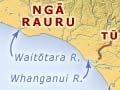
Part of story: Waikato region … is the rohe (tribal area) of the Te Āti Haunui-a-Pāpārangi tribe; Waitōtara–Waverley and part of the Whanganui area are … rohe of Ngā Rauru Kītahi. Rangitīkei is divided between the tribes of Ngāti Apa and Ngāti Hauiti, the confederated hapū …
Type: Story Page
… confederation of Hauraki Gulf and Coromandel Peninsula tribes. The names of his parents are not recorded. He may … in the many wars in which Ngāti Whanaunga and the Marutūāhu tribes participated in the late eighteenth and early …
Type: Biography
… the birth, and during the temporary absence of most of the tribe, the neighbouring Ngāti Te Whatuiāpiti threatened to … with whom he was now living, was threatened by another tribe. Burns wrote that he had joined in the battle at the … to Amotawa and 'Awhawee'. Soon afterwards the Poverty Bay tribes made a concerted and successful effort to wipe out Te …
Type: Biography
… When war came to Waikato in the 1860s, the Poverty Bay tribes refused to assist the King movement. On 19 April 1863 … from Waikato and elsewhere came, and proposed that the tribes unite under the Māori King, Tāwhiao . Anaru Matete, … he would support those who were neutral. The Poverty Bay tribes again decided on neutrality at a large runanga in …
Type: Biography
… he accepted the surrender of Hone Pihama and the Taranaki tribe. From September 1865 to July 1875 Parris was civil … in Taranaki, and by 'skilful management' of the disaffected tribes and 'firm but judicious and conciliatory dealing with …
Type: Biography