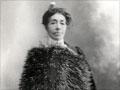
… Te Ruahikihiki, Ngāi Tūāhuriri, Ngāi Te Rakiāmoa and other hapū of Ngāi Tahu ; his mother’s family came from Moeraki … identified himself as Ngāti Hinematua, his mother’s main hapū. Te Aritaua Pītama was brought up to be fluent in Māori …
Type: Biography
… Te Rei Hanataua was the leading chief of Tangahoe hapū of Ngāti Ruanui . He was the son of Wakataparuru and … 1856 when his son, Piripi, led 40 warriors of Tangahoe hapū to support Kātātore at his pā, Kaipakopako. Piripi was …
Type: Biography
… to, and being the responsibility of, the wider whānau and hapū. Children quickly learnt to identify with their hapū community. The natural parents were not the sole …
Type: Story Page
Part of story: Ngā tamariki … Te Rangimakā (Makā) Tawa (or Kanuehi) of Hāmua, a Tūhoe hapū in Ruātoki, and his wife, Kirikino (also known as Koutu) Hikihiki of the Tamakaimoana hapū at Maungapōhatu. Wī was the eldest of their family of …
Type: Biography
… Āti Awa people from Ngāmotu settled first at Waikanae. The hapū (sub-tribe) Te Mana of Ngāti Mutunga were living at …
Type: Story Page
… 1930s, which focussed on the marae as the symbol of iwi and hapū identity. Health The principles of the Treaty of …
Type: Story Page
… on the north and Rākaumangamanga on the south. A number of hapū (sub-tribes), with Ngāpuhi and/or Ngāti Hine …
Type: Story Page
… made the most of business and trading opportunities. Some hapū (sub-tribes) had their own ships taking foodstuffs to …
Type: Story Page
… members for their wider responsibilities to marae and hapū. It is the role of the parents to teach their children …
Type: Story Page
… Manawa, Ngāti Raukawa and the Affiliate Te Arawa Iwi and Hapū was dubbed the ‘Treelords’ deal. It involved $195.7 …
Type: Story Page
… European contact in the early 19th century Ngāti Waewae, a hapū of Ngāi Tahu, claimed ownership of much of the West …
Type: Story Page
… children), spouses, partners and members of the same hapū. …
Type: Story Page
Part of story: Inheritance … the multiply-owned lands of the descendants of seven hapū located northwest of Taupō. The 2,708 hectares was …
Type: Story Page
… these voyaging waka, and from founding ancestors of iwi and hapū. Early design and construction The exact details of the …
Type: Story Page
Part of story: Waka – canoes … grounds, of special significance to local iwi (tribes) and hapū (sub-tribes). They are managed through customary …
Type: Story Page
Part of story: Protected areas … positions of importance and status within their whānau and hapū. They were not rejected or marginalised, and were …
Type: Story Page
… by some Māori today, especially the inland, bush iwi and hapū. They are prised from rotting logs and have a …
Type: Story Page
… moving away from the area. The kaitiaki Each family and hapū controlled areas where they gathered seafood. They knew …
Type: Story Page
… to consider Ngāti Kahungunu a grouping of tribes and hapū (sub tribes), all of whom are descendants of Kahungunu. …
Type: Story Page
Part of story: Ngāti Kahungunu … to inland Mōkau to take revenge against Ngāti Urunumia, a hapū of Ngāti Maniapoto. He was returning from this campaign … and Te Rauparaha led two canoes of Ngāti Kimihia, a hapū of Ngāti Toa, and Ngāti Raukawa to confront Te Kaeaea. … who wanted Ngāti Tama also to provide for his client hapū, Ngāti Rangatahi of Wanganui, Te Kaeaea took 30 or so …
Type: Biography