

Adapting to cities
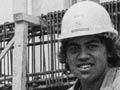
As Māori moved into the cities they had to meet the challenges of an urban environment, including finding employment and housing, and getting access to education for their children. They encountered a significantly different cultural environment, with European customs predominant and English the main language. One way of countering this situation was relocating Māori culture to the city. Cultural clubs, Māori churches and Māori sports teams were set up.
Tribal councils, the Māori Women’s Welfare League, churches and the Māori Affairs Department played important roles in resolving issues related to housing and welfare.
Māori cultural groups
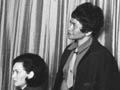
During the 1930s a number of young Māori moved to Wellington to work. The Ngāti Pōneke Young Māori Club was established in 1937 for Māori to socialise and participate in their culture. It was a pan-tribal group. Apirana Ngata coined the name Ngāti Pōneke – Pōneke was the Māori name for Port Nicolson, the early name for Wellington. Throughout the Second World War Ngāti Pōneke performed concerts to entertain visitors and raise funds for troops overseas. Over time a number of other cultural groups followed Ngāti Pōneke's lead, including Ngāti Akarana in Auckland and Ngāti Rānana in London.
Māori and churches
Māori in the cities would often attend churches which, while not local, had a significant Māori attendance, or conducted services in the Māori language. Some Māori organised services in their homes, including Anglican, Catholic and Methodist services, as well as those of Māori-based churches such as Rātana and Ringatū.
Urban marae
Urban marae were established so Māori could hold events that conformed with their own cultural norms. These pan-tribal urban marae included Hoani Waititi in Auckland, Pipitea in Wellington, Ngā Hau e Whā in Christchurch and Araiteuru in Dunedin.
The Presbyterian, Anglican and Catholic churches all established church-based marae in the cities. Tātai Hono (Anglican) and Te Ūnga Waka (Catholic) in Auckland are examples.
Some marae were tribally based, such as Te Tira Hōu in Auckland, which is affiliated to Tūhoe and the wider Mataatua confederation.
There have also been a number of education-based marae. Kōhanga reo (Māori-language preschools) and kura kaupapa Māori (Māori immersion schools) both began in the city.
Taura here
Tribal members in the city joined taura here (which means ‘binding ropes’) to help retain their identity and their links back to tribal homelands. Taura here were often represented on the boards of iwi organisations. Te Runanga nui o Ngāti Kahungunu ki te Upoko o Te Ika was the Wellington taura here group for Ngāti Kahungunu. There were two taura here groups in Auckland for Ngāpuhi – Te Taura Here ki Manurewa (South Auckland) and Te Taura Here o Ngāpuhi ki Waitākere (North and West Auckland).
Urban authorities
In the late 20th century a number of urban Māori authorities developed to assist Māori. These included Te Whānau o Waipareira Trust (West Auckland), the Manukau Urban Māori Authority (South Auckland), Te Rūnanga o Kirikiriroa Trust (Hamilton), Te Rūnanganui o te Ūpoko o Te Ika (Wellington) and Te Rūnanga o Ngā Maata Waka (Christchurch).