

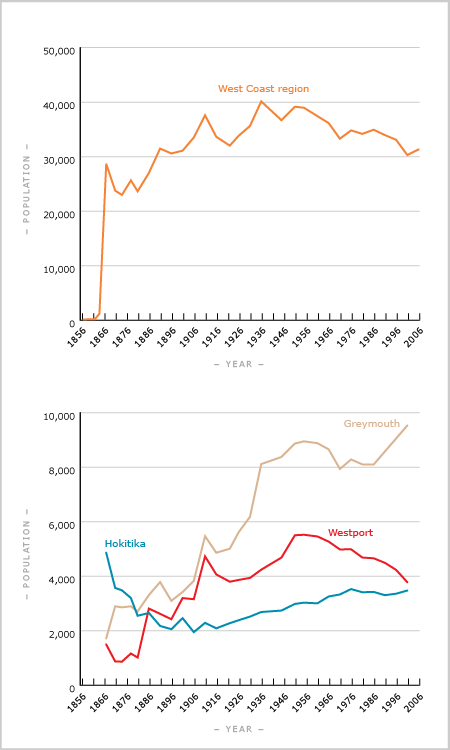
Move the mouse over the lines on the graph to see the population figures. Click on a place name in the key to remove that line from the graph; click on the name again to restore it.
The West Coast’s population rose from less than 500 to nearly 30,000 during the gold rushes of 1864–66. Gold production waned, but an economy based on coal, timber and farming saw the population peak at just over 40,000 in 1936. Greymouth and Westport grew until the 1950s, but since the mid-20th century the region's population has decreased. A small increase was evident in the 21st century. Farming and coal mining still thrive, but do not require a lot of workers. Tourism, now a major contributor to the economy (especially in Hokitika, which has held its own in population terms), keeps people in the region. However, many young people leave after completing their schooling, and don’t return.
Using this item
Te Ara – The Encyclopedia of New Zealand
Source: New Zealand censuses 1858–2013
This item has been provided for private study purposes (such as school projects, family and local history research) and any published reproduction (print or electronic) may infringe copyright law. It is the responsibility of the user of any material to obtain clearance from the copyright holder.