

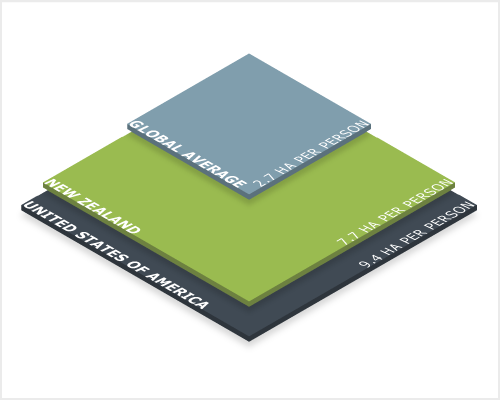
New Zealanders are not clean and green. An ecological footprint calculates the resources humans use and the amount of waste they generate. This is measured in terms of global hectares (a hectare with world-average ability to produce resources and absorb wastes) per person. New Zealand had the sixth highest figure (7.7 hectares) in the world, only slightly lower than one of the worst offenders the United States (9.4 hectares), and much higher than the world average (2.7 hectares).
Using this item
Te Ara - The Encyclopedia of New Zealand
Source: Global Footprint Network
This item has been provided for private study purposes (such as school projects, family and local history research) and any published reproduction (print or electronic) may infringe copyright law. It is the responsibility of the user of any material to obtain clearance from the copyright holder.
Comments
16 November 2010