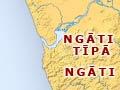
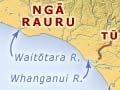
… from Ngāmotu settled first at Waikanae. The hapū (sub-tribe) Te Mana of Ngāti Mutunga were living at Pito-one …
Type: Story Page
… (Auckland) used religion to unify whānau from different tribes. Secular multi-tribal marae appeared too, including …
Type: Story Page
… and Rākaumangamanga on the south. A number of hapū (sub-tribes), with Ngāpuhi and/or Ngāti Hine affiliations, have a …
Type: Story Page
… Committed action by scientists, conservationists, iwi (tribes) and volunteers has given hope that tuatara will once …
Type: Story Page
… major change. Large-scale fishing became less common as tribes lost land adjoining tribal fisheries, and had greater …
Type: Story Page
… African Canterbury: 0.9% New Zealand: 1.2% Principal tribes Ngāi (Kai) Tahu Population of major urban areas, 2013 …
Type: Story Page
… Māhia to the peninsula because it resembled a part of his tribe’s original homeland, Te Māhia-mai-tawhiti (the sound …
Type: Story Page
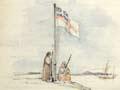
… until 1840, it came to be known as the flag of the United Tribes of New Zealand, and enabled Māori to sail to other …
Type: Story Page
… in Murihiku. They in turn fell under the sway of another tribe from the North Island’s East Coast, Ngāi Tahu. Early …
Type: Story Page
Part of story: Otago region … breed of horse. This term was borrowed from the Ngāti Porou tribe, who called their horses nāti. Taipo (goblin or devil …
Type: Story Page
Part of story: Rural language … Good stones would sometimes be presented as a gift to other tribes. Volcanic rocks were the most suitable, while …
Type: Story Page
… early 1800s turned to war in the 1860s. As a result, many tribes were dispossessed of their best land. Pākehā settlers …
Type: Story Page
… Later, people from the Rangitāne and Ngāti Kahungunu tribes established a strong presence in the region. From the …
Type: Story Page
… cloud) – the Māori name now used for New Zealand. Various tribes recall in many stories the subsequent arrival of …
Type: Story Page
Part of story: Waka – canoes … rain squall ua kōpiro – drenching rain. Rain and death Many tribes interpret rain or a storm as an expression of grief …
Type: Story Page
… good as the kererū and tūī. Tumu Used by the Ngāti Raukawa tribe, a tumu was a different type of snaring perch, placed …
Type: Story Page
… of various hapū (clans or descent groups) within an iwi (tribe) regarded themselves as equals, although there was a …
Type: Story Page
… meal Tamarau Waiari, a leader and priest of the Tūhoe tribe, explained how the first birds they caught were …
Type: Story Page
… Zealand settlers. For instance, in 1855 the Ngāti Whātua tribe demanded a rent for the use of a shellfish bed in the …
Type: Story Page
… The rākau-he-whaka-maro was made by people of the Ngāi Tahu tribe. The frame was made of two sticks bound in a T-shape. …
Type: Story Page