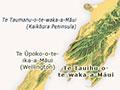
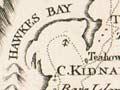
… several phases of this type of exploration and discovery in New Zealand. Polynesian discovery Polynesians, New Zealand’s … few animals. The group collected plants and animals, mainly fish and birds, between Poverty Bay and the Bay of Islands, …
Type: Story Page
… their crustacean nature. Two pounds of flesh Few, if any, New Zealanders eat barnacles nowadays, but they once featured in … food chains, being a major source of food for commercial fish species such as sardines and herrings. Bottom-dwelling …
Type: Story Page
… many intellectuals and creative people born or educated in New Zealand have chosen to go to other countries to study or … culture and its ties with Polynesia and the Pacific. A big fish in a small pond When internationally successful singer …
Type: Story Page
… in Opo Bay on the south coast of the island. Regular fishing excursions are made from Tauranga. The waters around … since 2001. This is an important seabird island, with New Zealand's largest colony of grey-faced petrels – 95,000 …
Type: Story Page
… Origins The Māori people of Aotearoa (New Zealand) are descendants of Polynesian peoples who had … mouths of rivers – close to the sea, with good access to fishing and shellfish grounds . There was extensive hunting …
Type: Story Page
… Ōnoke. The river and its tributaries are known for trout fishing and swimming. Jet boating and canoeing are popular … km south-east of Martinborough. Built in 1996, Hau Nui was New Zealand’s first commercial wind farm. It generates enough …
Type: Story Page
… where they are not naturally found. Polynesians were New Zealand’s first acclimatisers – around 1250–1300 AD they … as being empty of game animals, the rivers devoid of fish. They hoped to improve upon nature. Societies in New …
Type: Story Page
Part of story: Acclimatisation … and their land. These stories capture every corner of the New Zealand landscape in some way. The South Island’s lakes are … example, is called Te Keteika-a-Rākaihautū (Rākaihautū’s fishing basket). Volcanic Plateau traditions There are many …
Type: Story Page
… Cape Rodney–Ōkakari Point Marine Reserve This is New Zealand’s first marine reserve (popularly called Goat Island … 2013 population: 441 Holiday settlement and deep-water fishing harbour south of Cape Rodney, 21 km north-east of …
Type: Story Page
Part of story: Auckland places … River is regarded as one of the outstanding wild rivers in New Zealand, and since 2001 has been protected by a water … of the river, including jet-boating, kayaking, rafting and fishing. History Travel through the upper Buller Gorge was …
Type: Story Page
… and Poteriteri. Lake Te Anau Lake Te Anau (348 sq km) is New Zealand’s second largest lake after Taupō (606 sq km). It is … be infected with the alga didymo, which greatly restricted fishing. The Waiau is now also infected. Lake Manapōuri Its …
Type: Story Page
… the bill become less intense. Six species of tern breed in New Zealand, while several others are regular or rare visitors. … and streams they eat mayflies, stoneflies, skinks and small fish. Once summer is over, the terns leave their nesting …
Type: Story Page
… in the Pacific Waka ama are widely used in the Pacific for fishing, transporting goods, travel and racing. In Hawaii … events over distances ranging from 500 to 1,500 metres. In New Zealand, waka ama are predominantly used for competitive …
Type: Story Page
… or guided the canoes on their journeys to Aotearoa (New Zealand). Waitaha followed his sister Hāhuru to New Zealand … to the story, the ancestor Paikea was enticed on a fishing trip with others. During this, his jealous brother …
Type: Story Page
… patupaiarehe. It may have given rise to the term Pākehā (a New Zealander of European descent). To Māori, Europeans … and light-coloured hair. How Māori came to use a net for fishing One traditional account tells of a chief, Kahukura, …
Type: Story Page
Part of story: Patupaiarehe … species, the masked booby ( Sula dactylatra ), breeds in New Zealand, but brown boobies ( Sula leucogaster ) regularly … on Lord Howe Island and Norfolk Island. Today, longline fishing poses a threat to birds at sea. Sitting ducks It is …
Type: Story Page
… dolphin ( Cephalorhynchus hectori ), named after the New Zealand scientist James Hector, is also known by its Māori … and Māui’s dolphins are significantly longer. They feed on fish, squid and crustaceans. Females have one calf at …
Type: Story Page
… however, recognise that inlets of the sea, the shore and fishing ponds might be enclosed from the sea and occupied as private property. Open access in New Zealand In New Zealand, the history of human interaction …
Type: Story Page
… Ancient forests New Zealand is a green land – most of its many native trees and … psyche. The bush is where people go to walk or tramp , to fish and to hunt – a refuge from the pressures of modern …
Type: Story Page
… Dominating the recent history of New Zealand’s fauna – birds, reptiles and insects – is the … land snails, Powelliphanta and Paryphanta. Freshwater fish Freshwater fish have fared better than birds. Although …
Type: Story Page