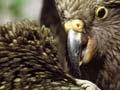
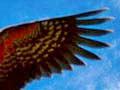
… is only half a metre tall. New Zealand’s alpine parrot, the kea, feeds on its succulent, bright red fruits. …
Type: Story Page
… Southern Alps, has a variety of alpine species, including kea (mountain parrots), which often enjoy the company of …
Type: Story Page
… or doing other outdoor activities. Iconic birds such as the kea, bellbird, albatross, kiwi or godwit often generate the …
Type: Story Page
Part of story: Birdwatching … like mana and taonga (treasure) without glossing them. Kea crossing (patrolled pedestrian crossing outside schools) …
Type: Story Page
… reserves have increased kererū and bellbird numbers. The kea, the world’s most alpine parrot, is often seen around …
Type: Story Page
… lived in Australia. In 2001 the Kiwi Expat Association (KEA) was founded to connect New Zealanders overseas to the …
Type: Story Page
… the park contains the endangered great spotted kiwi and the kea (an alpine parrot). Wrybills and black-fronted terns …
Type: Story Page
Part of story: National parks … parrot family Strigopidae , which includes kākāpō, kākā and kea. These birds evolved in ancient forests at the time of …
Type: Story Page
… extinct native bird. Streets with bird names include Kaka, Kea, Moa, Ruru, Tui, Huia and Kiwi. In the early 1990s …
Type: Story Page
… Strigopinae. Its nearest relatives are the kākā and kea, the only other members of the Strigopidae family. The …
Type: Story Page
… the war-cry of the 1884 team of Rugby footballers – Kea Kaha! [kia kaha – be strong]’. 3 First international …
Type: Story Page
Part of story: Rugby union … of Scouts spread over 850 groups. A new junior section, Keas, aimed at boys and girls six to seven years old, was …
Type: Story Page
… Species include: the New Zealand parrots – kākā, kākāpō and kea takahē and pūkeko, along with swamp hens from …
Type: Story Page
Part of story: Life sciences … In 2017 it had around 15,500 youth members – including Keas, Cubs, Scouts, Venturers and Rovers. …
Type: Story Page
… gone and there ain’t no moa’. 1 Birds such as the weka , kea and kākāpō evolved in splendid isolation. They had few …
Type: Story Page