… Zealand’s first acclimatisers – around 1250–1300 AD they introduced kiore (Pacific rats), kūmara (sweet potato), … fruticosa ). Early European seafarers liberated pigs and introduced potatoes in the late 1700s. In the 1800s Pākehā … new to science. There was an almost religious fervour for introducing animals and plants to new lands where they might …
Type: Story Page
Part of story: Acclimatisation … alpine zone is less disturbed, and less compromised by introduced plants and animals, than many other native … mammals European settlement had a much greater impact. Some introduced plants are now abundant and widespread. The … wild sheep do not live at such altitudes. Chamois and tahr, introduced to South Island mountains in the early 20th …
Type: Story Page
Part of story: Alpine plants … North Africa and Asia. Also known as German owls, they were introduced to Britain in the 1870s. Between 1906 and 1910, … it has a shorter tail. Diet and behaviour Little owls were introduced with the aim of reducing the population of small introduced birds, which had become pests on farms. There …
Type: Story Page
… known species are: 123 species of Acanthodrilidae, two introduced (non-native) 53 species of Megascolecidae (three introduced) 17 species of Lumbricidae (all introduced) one species of Glossoscolecidae (introduced). …
Type: Story Page
Part of story: Earthworms … no longer have enough food to sustain them through winter. Introduced animals People have also introduced animals that damage the bush: Possums feed mainly …
Type: Story Page
… Four parliamentary seats to represent Māori were introduced in 1867, with the intention that they would be …
Type: Story Front
… target various species of game bird, both native and introduced. …
Type: Story Front
… Introduced to New Zealand in 1960, television became a …
Type: Story Front
… people became concerned about the negative impact of some introduced species on New Zealand’s environment, and native …
Type: Story Page
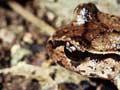
Part of story: Biosecurity … it leads to dryer conditions in some areas. Habitats of the introduced frogs The introduced Australian bell frogs usually live near water, …
Type: Story Page
… possum is New Zealand’s most damaging animal pest. Introduced deliberately for the fur trade, this cat-sized …
Type: Story Front
… New Zealand. When electricity and town water supplies were introduced, electricians and plumbers were also needed. …
Type: Story Front
… The arrival of humans and the animals they introduced has had a devastating effect on New Zealand’s …
Type: Story Front
… (chanted song-poetry) to contemporary composers who draw on introduced musical styles and influences, the Māori world …
Type: Story Front
… Introduced fish In the late 1800s and early 1900s, British settlers introduced fish of the Salmonidae family – trout and salmon …
Type: Story Page
Part of story: Coarse fish … and the subantarctic island coasts. New toxic microalgae Introduced toxic microalgae or phytoplankton can cause … around New Zealand, but one that is thought to have been introduced is Gymnodinium catenatum , discovered in 2000 in …
Type: Story Page
Part of story: Marine invaders … on all the islands, but it is locally modified by weeds introduced by humans. On Raoul, the only forested island, … Island the New Zealand tūī is the most common species. Introduced plants and animals The introduction of goats, …
Type: Story Page
… Introduced for sport in the 19th century, deer became a pest …
Type: Story Front
… sailed with them from England to New Zealand. Originally introduced to pollinate English plants, bees settled in well …
Type: Story Front
… autumn and winter) – called ‘the season’. Native and introduced birds The grey duck, Australasian shoveler, … Zealand pigeon and even godwit were hunted by Europeans. Introducing game birds European settlers introduced birds to …
Type: Story Page
Part of story: Game birds