… to the present, though its status within the legal system has varied over time. In legislation it has variously been ignored, recognised and rejected. In the 19th century whāngai was recognised. The …
Type: Story Page
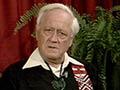
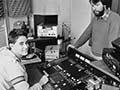
… film heritage which embraced Māori values. He also presented The film show on Radio New Zealand, co-authored several books and curated a number of film exhibitions. At the time of his death …
Type: Biography
… Ann Dean. He went to Sandhurst from 1831 to 1834 and after being commissioned on 27 June spent 10 years with the … On 7 November 1844 Haultain married Jane Alison Bell, daughter of William Bell, at Agra, India. They had four sons and …
Type: Biography
… an English-born clerk, and Mihi Mere Pānapa, the daughter of Pānapa Tuari and his wife, Arapera Te Ngira. Tipi was brought up by foster parents. The name …
Type: Biography
… Ōpōtiki Town in the eastern Bay of Plenty. Situated 60 km south-east of Whakatāne at the junction of State Highways 2 and 35, it lies in the centre of the …
Type: Story Page
… darkness. Tūmatauenga (or Tū), god of war and mankind, wanted to kill the parents, but the others wanted to separate them. Tāne, the god of forests, separated …
Type: Story Page
… World heritage sites World heritage sites are designated by UNESCO under the World Heritage Convention, which … Internationally recognised areas …
Type: Story Page
Part of story: Protected areas … Numbers In 2018 Māori comprised approximately 16.5% (775,836 people) of New Zealand’s population. … years has undergone a revival. However, it is still threatened and, according to the 2006 census results, was spoken …
Type: Story Page
… 86 km north of Rotorua. 19th-century settlement Tauranga dates from the establishment of a Church Missionary Society mission at Te Papa, as it was then known, in the 1830s. During the wars … 1870s, the settlement was made a borough in 1882. In the later 19th century its population declined. 20th century From …
Type: Story Page
… River The Waikato River is New Zealand’s longest. Its headwaters arise on Mt Ruapehu, just south of Tūrangi, and merge … Waikato current can be seen making its way through the water of the lake. The river proper begins at an outlet from …
Type: Story Page
Part of story: Waikato tribes … landscape where the human and natural worlds were interdependent. The complexity of that world was reflected in the buildings’ construction and use. Ruatepupuke …
Type: Story Page
… hooked a huge fish and hauled it out of the sea. His catch, Te-Ika-a-Māui (Māui’s fish), we now know as the North Island. Te Ūpoko-o-te-Ika (the head of the fish) is the Wellington …
Type: Story Page
… Storytelling before television Māori have always celebrated the role of the …
Type: Story Page
… Establishing the major museums In the United Kingdom many museums and art galleries were founded after the very popular industrial exhibitions, in particular …
Type: Story Page
… Stuart Newall (baptised as Stewart) was born in the parish of Durrisdeer, Dumfriesshire, … is known of his early life. In January 1863 he emigrated to Australia, and after a brief sojourn in Victoria arrived in Port Chalmers, …
Type: Biography
… Samuel Williams was born in Cheltenham, Gloucestershire, England, on 17 January 1822, the third child of …
Type: Biography
… century Māori urbanisation. At Arohanui, the hostel she co-founded and operated, young Māori found a bed, a hot meal, help with …
Type: Biography
… waiata and poetry. Early years Erihapeti Rehu, the daughter of Oriwia Hawea (Ngāti Raukawa) and John Piuraki Rehu (Ngāi Tahu), was born at Arowhenua, South Canterbury, on 30 December 1923. Erihapeti said of her …
Type: Biography
… Accommodating Māori custom In the first years after the signing of the Treaty of Waitangi, the colonial … administration found it practically impossible to extend its control to all Māori districts. The first governors … had almost no military force at their disposal and a limited civil administration. They therefore had little choice …
Type: Story Page
… experiences as a way of establishing good mental health. Later the organisation widened its scope and promoted the mental health of all New Zealanders. It was an advocate for rights and welfare, and from 1977 to 1986 provided …
Type: Story Page