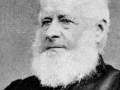
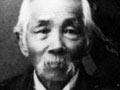
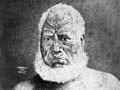
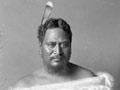
Te Rangihiwinui, also known as Taitoko and later as Te Keepa, or Major Kemp, is thought to have been born in the first half of the 1820s at Tūwhakatupua, on the Manawatū River, near Ōpiki. His mother was Rere-ō-maki,…


Te Rangihiwinui, also known as Taitoko and later as Te Keepa, or Major Kemp, is thought to have been born in the first half of the 1820s at Tūwhakatupua, on the Manawatū River, near Ōpiki. His mother was Rere-ō-maki,…
Te Rangikāheke, known also by his baptismal name of Wiremu Maihi (William Marsh), or Wī Maihi, was born in the early nineteenth century, according to his own evidence, about 1815, possibly at Puhirua or Te Awahou, in…
Described as the 'smartest Māori woman it has been my lot to meet' by an investigating policeman, Puna Hīmene Te Rangimārie was one of the first to be prosecuted under the Tohunga Suppression Act 1907. Little is known…
Te Rangiotū, who took in baptism the name of Hoani Meihana (John Mason), was a descendant of the ancestors Te Rangi-te-pāia and Rangitāne through his father, Pohoi Te Rangiotū. Rīria Rangipōtango was his mother. He was…
Te Rangitāhau, often known as Tāhau, was born probably in the late 1820s or early 1830s near Ōpepe, 10 miles south-east of Tapuaeharuru (Taupō). His descent was from Ngāti Hineuru, and from Ngāti Kurapoto and Ngāti…
Te Rangitāke is thought to have been born in the last years of the eighteenth century, at Manukorihi pā, Waitara. He was of Ngāti Kura and Ngāti Mutunga descent, and is primarily identified with Te Āti Awa. His father…
Te Rangitopeora, also known as Rangi Topeora, was born at Kāwhia probably early in the nineteenth century. Her mother was Waitohi, of Ngāti Toa and Ngāti Raukawa, and her father Te Rākaherea. Her hapū were Ngāti Kimihia…
Te Rangiuia was a Ngāti Porou leader and tohunga at Ūawa (Tolaga Bay). His date of birth is not known, but he was an adult when the trader J. S. Polack visited Ūawa in June 1835. Polack claimed that his ship was the…
Te Rata Mahuta was the fourth leader of the Māori King movement. He inherited many of the leadership qualities of his predecessors, with the added support of 50 years of widespread Māori recognition of the special…
Wiremu Te Koti Te Rato, of Ngāti Kahungunu, was born in Wairarapa, probably about 1820. His father was probably Te Rato. His mother's name is not known. Te Koti Te Rato may have been one of a group of 100 women and…
Kahe Te Rau-o-te-rangi was the daughter of Te Matoha, of Ngāti Toa, and Te Hautonga, of Ngāti Mutunga and Te Āti Awa. Her birthplace is uncertain; it was either Kaweka, her mother's village near Urenui, in northern…
Kereopa Te Rau was one of the five original disciples of Te Ua Haumēne, the founder of the Pai Mārire faith. He was a member of Ngāti Rangiwewehi of Te Arawa. The date and place of his birth are not known, nor the names…
Te Rauparaha was the son of Werawera, of Ngāti Toa, and his second wife, Parekōwhatu (Parekōhatu), of Ngāti Raukawa. He is said to have been a boy when James Cook was in New Zealand. If so, it is likely that he was…
Tāmihana Te Rauparaha, known also as Katu, was the son of the great Ngāti Toa leader Te Rauparaha and his fifth and senior wife, Te Ākau of Tūhourangi. He was born at Pukearuhe, a Ngāti Tama pā in northern Taranaki,…
Te Rei Hanataua was the leading chief of Tangahoe hapū of Ngāti Ruanui. He was the son of Wakataparuru and Hineao; his ancestry extends back to Turi and Rongorongo. He was born probably early in the nineteenth century,…
Hōne Pīhama Te Rei Hanataua was the fifth child of Mōaho Te Rei and Tūmahuki, and was a nephew of the Tangahoe chief Te Rei Hanataua. In the second half of the nineteenth century he became the leader of Ngāti Tama-…
Hōne Wētere Te Rerenga was born, probably in the 1830s, at Māniaroa or Rangitoto in the Awakino district. His father was Waitara, a direct descendant of Hoturoa and Maniapoto; his mother was Mākareta Hakahaka, also…
Te Rohu was the daughter of Mananui Te Heuheu Tūkino II and his senior wife, Nohopapa. She was born in the early part of the nineteenth century. The principal hapū of her father was Ngāti Pēhi (now Ngāti Tūrumakina) of…
Īhaka Te Tai Hakuene was born at Rāwhiti in the Bay of Islands, probably in the late 1830s or early 1840s; he is known to have been a child during the northern war of 1845–46. He was the second son of Whai Hakuene, who…
Maata Te Taiawatea Rangitūkehu was born in 1848 or 1849, probably near Lake Tarawera, where she was brought up as a puhi (a treasured virgin until marriage) by her mother's people of Tūhourangi, a branch of Te Arawa.…