

28,331chlamydia cases were reported in 2014, making chlamydia the most commonly reported sexually transmitted infection in New Zealand.
Chlamydia often causes no symptoms, so someone can be infected without even knowing it

70%of females will show no symptoms

25%of males will show no symptoms
Of people with chlamydia in NZ
71%are female
29%are male
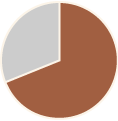
69%are under 25
Chlamydia can be treated with antibiotics. Left untreated a chlamydia infection can lead to more serious health problems, such as infertility.
Department of Health tracking of sexual-health figures shows that chlamydia affects more young people than older people, and more women than men. All ethnicities get infected, but Māori do so out of proportion to their numbers in the population. Sexually transmitted infections are tracked using information from laboratories and sexual health and family planning clinics.
Using this item
Te Ara – The Encyclopedia of New Zealand
Source: Public Health Surveillance, Sexually transmitted infections in New Zealand: annual surveillance report 2014
This item has been provided for private study purposes (such as school projects, family and local history research) and any published reproduction (print or electronic) may infringe copyright law. It is the responsibility of the user of any material to obtain clearance from the copyright holder.