

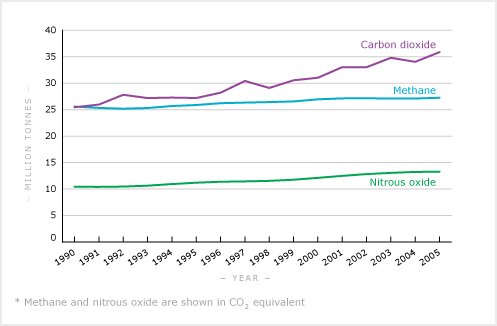
Methane and nitrous oxide are New Zealand’s main non-carbon dioxide greenhouse gases. Methane comes largely from the belching of ruminant animals, and nitrous oxide emissions come from animal excreta and nitrogen fertilisers. In 1990 methane emissions from livestock totalled about 20 million tonnes (non-agricultural sources of methane include the energy sector and landfills, which make up much of the 5 million tonnes). By 2001 this had increased by nearly 10%, mainly due to the increase in dairy cow numbers. Emissions from sheep had declined due to a drop in numbers.
Using this item
Te Ara - The Encyclopedia of New Zealand
Source: Ministry for the Environment, ‘New Zealand’s greenhouse gas inventory 1990–2006: an overview’ (last accessed 3 June 2008)
This item has been provided for private study purposes (such as school projects, family and local history research) and any published reproduction (print or electronic) may infringe copyright law. It is the responsibility of the user of any material to obtain clearance from the copyright holder.