

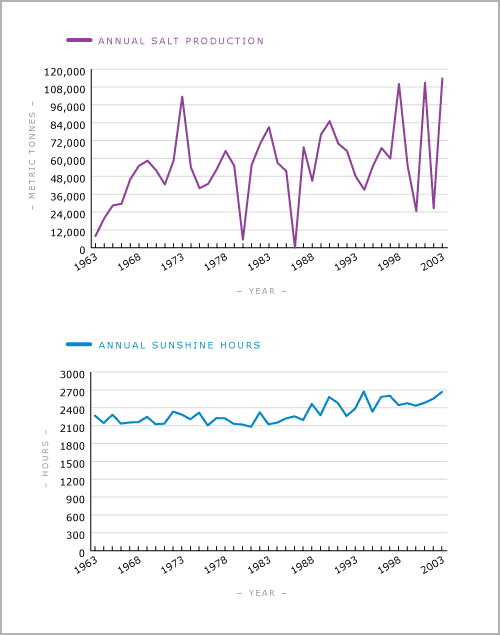
When the salt works were built near Blenheim, it was thought that the area’s high sunshine hours would contribute to a good salt yield. However, it turned out that the wind rather than the sun had a greater effect on productivity. As sunshine hours do not vary much from year to year, they do not significantly affect the amount of salt produced. Excessive rainfall during late summer (close to harvest time) is the greatest factor influencing salt production, because rain dilutes the strength of the brines. Unseasonal rain in 1980 and 1986 caused drastically low salt harvests. The drought and winds of 1997–98 produced a bumper harvest of 110,000 tonnes.
Using this item
Te Ara - The Encyclopedia of New Zealand
Source: Dominion Salt and MetService
This item has been provided for private study purposes (such as school projects, family and local history research) and any published reproduction (print or electronic) may infringe copyright law. It is the responsibility of the user of any material to obtain clearance from the copyright holder.