

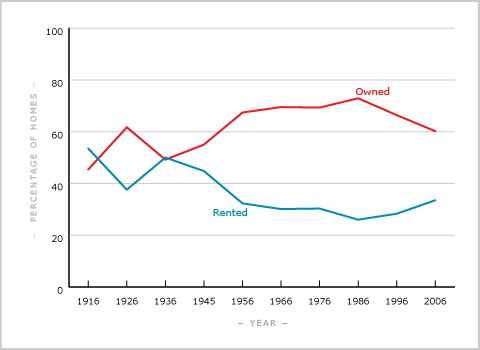
At the start of the 20th century the majority of city residents rented their dwellings. Government initiatives to create a property-owning democracy – through cheap state mortgages, among other things – saw home-ownership rates skyrocket in the 1920s. They fell during the 1930s economic depression, then rose steadily, peaking at 73% (both nationally and in the four main centres) in 1986. Since then home-ownership rates have declined. The reasons include increased costs, lower subsidies, and young people delaying settling down and having children. By the 2000s the ideal of a property-owning democracy was in retreat.
Using this item
Te Ara - The Encyclopedia of New Zealand
Source: New Zealand census, 1916–2006
This item has been provided for private study purposes (such as school projects, family and local history research) and any published reproduction (print or electronic) may infringe copyright law. It is the responsibility of the user of any material to obtain clearance from the copyright holder.