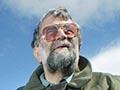
… Māori In 1943 New Zealander Jack Bennett criticised the way Pākehā pronounced and wrote Māori words. He mentioned …
Type: Story Page
… of native minister from 1928 to 1934. His knowledge of the Pākehā world and his professional skills assisted his …
Type: Story Page
… 19th century. Changing types of transport Māori and early Pākehā settlers largely travelled on foot, or by canoe up …
Type: Story Page
… intense, from the 1970s she attracted criticism for being a Pākehā academic working on Māori subject matter. Early life … in te ao Māori, something that was relatively unusual for Pākehā in that period. At her marriage she became Margaret … taking her away from her writing. Pushback from Māori about Pākehā scholars working in Māori spaces began in the 1970s …
Type: Biography
… his perception of the relationships between Māori and Pākehā. He observed a ‘strange contradiction’ in the attitudes of Pākehā towards Māori: respectful and friendly relationships … towards Māori as a group. The marginal rural Pākehā who Ward grew up among were a ‘contradictory and …
Type: Biography
… with a group of young men living at Mākaraka, who took Pākehā possessions as utu for grievances. His lawlessness … . He thereby acquired influential enemies, both Māori and Pākehā. The oral traditions interpret his wildness as the … 1868. The prisoners unloaded the ship, and paid off its Pākehā crew. Te Kooti then ordered the sacrifice of a pig …
Type: Biography
… By 1951 American novelist James Michener decided that the (Pākehā) New Zealander was the most conservative white man in … on horseback through New Zealand, was also critical of Pākehā attitudes towards Māori. Not all negative Not all …
Type: Story Page
… This work, and the strong links he established with Pākehā, were his major achievements. He was born on 6 … University of Wellington. He claimed that these awards from Pākehā honoured him while he was still alive, and remarked …
Type: Biography
… who was available. In the early and mid-19th century, Māori–Pākehā intermarriage was common. Until the early 20th … usually married within a few years. No more than 6% of Pākehā women over the age of 45 were single. Couples tended …
Type: Story Page
… ‘ordinary people’) was being used to distinguish them from ‘Pākehā’ (‘white people’). Cook’s observations also suggested …
Type: Story Page
… by Māori of songs with European melodies, as many Pākehā found the style of traditional chants distasteful. …
Type: Story Page
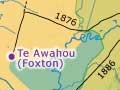
… established. By late 1866 an uneasy peace prevailed, and Pākehā settlement began around Wairoa and on the Waitōtara …
Type: Story Page
… resulted in three tikanga (systems of governance) – Māori, Pākehā and Pasifika – sharing equal authority but working in …
Type: Story Page
Part of story: Anglican Church … their district. A Ngāti Maniapoto chief remarked that ‘the pakehas write evil reports of us from Taranaki to Auckland, …
Type: Story Page
… altering course to pick up the pilot. The kindness of a Pākehā whaler and his Māori wife endeared the Māori people …
Type: Biography
… in the customs and lore of his people. Rukupō deeply feared Pākehā encroachment, and by 1867 his world had been …
Type: Story Page
… such as Dunedin and Christchurch, the Bay of Plenty’s Pākehā cultural life is a tribute to the enthusiasm and …
Type: Story Page
… Farmland was allocated by a ballot system, mainly to Pākehā soldiers, as Māori veterans were assumed to have …
Type: Story Page
… hoped, help to resolve outstanding issues between Māori and Pākehā. Tribunal established Rata wanted the new Waitangi …
Type: Story Page