… in Hastings in the late 1960s after a group of mainly Pākehā youth facing criminal charges were described by the … in crime and gangs – and the Mongrel Mob changed from a Pākehā gang to a Māori one. Tribal authorities Ngāti …
Type: Story Page
… Te Ua’s instructions to these messengers have survived: Pākehā were not to be harmed. His message for Māori was the … power. But the circulation of the heads was mostly seen by Pākehā as a revival of ‘barbarism’. The execution of the …
Type: Story Page
… of Europeans at Whenuahou (Codfish Island), the first Pākehā settlement in the district, even when his young son, … a rangatira. Te Whakataupuka laid the foundation of Māori–Pākehā relationships in Foveaux Strait on which Tūhawaiki …
Type: Biography
… Constable were seen as expressing British identity. Most Pākehā New Zealanders shared a pride in their British … in literature they pointed to Old New Zealand by ‘a Pakeha Maori’ (a pseudonym for Frederick Maning), Samuel …
Type: Story Page
… the mid-1840s saw violence break out between Māori and Pākehā as Māori sought to hold on to their land and local … authority. In the 1860s the conflict became more severe as Pākehā settlers, mostly British, sought land to sustain a …
Type: Story Page
… led by the kaihautū or director Māori. The bicultural Māori–Pākehā expression of the Treaty of Waitangi applied across … the first governance board that was half Māori and half Pākehā. In 2006 the Tairāwhiti Museum in Gisborne appointed …
Type: Story Page
… stable conditions. Violence within and between Māori and Pākehā communities was discouraged by naval patrolling and a … role in extending control beyond the first small coastal Pākehā settlements. ‘Lawless brutal and violent’ Until 1846 …
Type: Story Page
… were often eager for more – and profitable – contact with Pākehā, but the numbers of European colonists arriving in … the Māori king and British queen could coexist peacefully. Pākehā attitudes to the treaty By the end of the 1850s, …
Type: Story Page
… and Tohu Kākahi, its purpose was to peacefully resist Pākehā colonisation. By the late 1870s it had its own bank … also began as a military post, and became a hub for the Pākehā colonisation of Waikato. Both subsequently developed …
Type: Story Page
… William Leonard Williams, known as Leonard Williams to Pākehā and as Mita Rēnata to Māori, was born at Paihia, Bay … the Māori king, but there was no hostility shown to the few Pākehā settlers. Williams was convinced that the prevalent … diocese had been created as a particularly Māori one and Pākehā participation was limited to missionary clergy. But …
Type: Biography
… the services of garden designers in the very early years of Pākehā settlement – new immigrants were preoccupied with …
Type: Story Page
… of amenities for its size. Its streets were named after Pākehā governors, governors-general and parliamentarians – a …
Type: Story Page
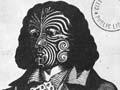
… association between moko and the recipient’s social status. Pākehā saw Māori society as a warrior society, so they …
Type: Story Page
… population of 1,707 in 1921. By 1956 the combined Māori and Pākehā population had reached 5,445. Development A paper …
Type: Story Page
… Missionaries As Pākehā came ashore, they reported on a frontier between … survive that were written or dictated by semi-literate Pākehā-Māori (the 19th-century term for Europeans who chose … collection of yarns and digressions by an ostensibly naïve Pākehā–Māori is written to an agenda, but the literary …
Type: Story Page
Part of story: Non-fiction … daughter, nephew, niece pā fortified refuge or settlement Pākehā non-Māori, usually of British ethnic origin or …
Type: Basic page
… clashes In the 1840s there were clashes between Māori and Pākehā. In Marlborough’s Wairau Valley in 1843, a dispute … land titles to individual Māori, to facilitate sales to Pākehā. After the wars, many Māori drew back from contact … rural communities. Māori land continued to pass into Pākehā hands, usually by sale through the Native Land Court. …
Type: Story Page
… Ruapuke coincided with the decline of the whaling industry. Pākehā seamen, who had originally settled on Codfish Island … sealing. Wohlers noticed that those villages with Pākehā men had more children, and that the children were … put down to the well-ordered households insisted on by the Pākehā men, and the addition of potatoes and greens to the …
Type: Biography
… Fenton had concluded that relationships between Māori and Pākehā were at a watershed. He was impressed by the … aware, too, that initial willingness of Māori to trust the Pākehā and to emulate them was being replaced by doubt and … times. If the Māori were to be amalgamated with the Pākehā; if they were to be brought under the institutions of …
Type: Biography
… He operated on such a large scale that he needed to employ Pākehā workers. The skill he showed in adopting the … Dried eels were also important as gifts. By the 1860s Pākehā pastoralists were enviously eyeing the flood plain of … the floods which brought the harvest of eels hampered the Pākehā farmers. By the end of the 1860s they were seeking …
Type: Biography