… tuberculosis, were a leading cause of death among Pākehā women in the mid-19th century, along with … a healer. Maternal mortality and birth rate The health of Pākehā women was tightly bound to maternity: pregnancy, … extraordinarily high – between 7 and 9 children for each Pākehā married woman. It dropped sharply to 3.4 per married …
Type: Story Page
Part of story: Women’s health … pan-tribal and religious groups, the latter including Pākehā missionaries. While these publications generally … Māori and Pākehā media: politics and advocacy …
Type: Story Page
… Pākehā engagement with te reo, 1769 to 1840s …
Type: Story Page
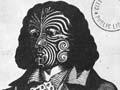
… Some 19th-century Pākehā ‘went native’ and became known as Pākehā–Māori, living with iwi, marrying Māori women, and … with full-face moko. Others who mediated between Māori and Pākehā worlds included Māori political leaders James …
Type: Story Front
… to that in Western Europe, but it fell dramatically after Pākehā brought new diseases to New Zealand. By the late 1870s Pākehā could expect to live into their 50s – one of the … Māori lagged far behind, but the gap between Māori and Pākehā has narrowed over time. …
Type: Story Front
… language. The church played a leading role in early Māori–Pākehā politics. Soon Pākehā Anglicans outnumbered Māori. …
Type: Story Front
… century the Māori population declined, and the number of Pākehā (non-Māori) grew only very slowly. The biggest increase in Pākehā numbers came in the 1900s and 1910s as the dairy industry thrived: 1874: 1,425 Pākehā and approximately 8,000 Māori (including Rotorua and …
Type: Story Page
… had lower incomes, worse housing and poorer health than Pākehā in New Zealand. They were less likely than Pākehā or Asians to work in professional occupations or have …
Type: Story Front
… people’s early enthusiasm for literacy and other forms of Pākehā culture has helped to ensure that the country’s … academic interest in traditional Māori culture. Several Pākehā students of Māori, such as Elsdon Best , became … her family also took this as their surname. More recently, Pākehā academic Anne Salmond gained a specialist …
Type: Story Page
… It is said that while Māori take food from the beach, Pākehā take food to it, and that while Māori wait until the tide is out to search for shellfish, Pākehā wait until the tide is in to swim. These … entirely true. In the 19th century, some of the earliest Pākehā visitors and settlers joined Māori on the beach to …
Type: Story Page
Part of story: Beach culture … operate within each other’s cultures. Over time, Māori and Pākehā learned from each other’s culture and adapted their own cultures as a result. Pākehā-Māori (Pākehā who lived in Māori communities and acted as …
Type: Story Page
Part of story: Biculturalism … that go unparried.’ 1 Density By 1921 the ratio of Māori to Pākehā was 4.2 to 100. But there were still two regions with … Coast. In the Hokianga district there were more Māori than Pākehā, and in the Bay of Islands the ratio was 64 Māori to 100 Pākehā. In these areas poor soil fertility or bad roads had …
Type: Story Page
… enterprise. They worked for wages for the government, Pākehā entrepreneurs or farmers. The Māori economy soon … both as a source of food and additional income when sold to Pākehā. In the South Island tītī (muttonbirds) were … families. Many Māori were sharecroppers on land owned by Pākehā farmers. Farming By the 1900s a number of Māori were …
Type: Story Page
… access the main markets such as Auckland. Māori farming and Pākehā settlement Missionaries and other Pākehā promoted wheat-growing among Māori, even in … wheat and metaphors associating ploughs with civilisation. Pākehā also believed that more intensive land use would …
Type: Story Page
… Māori in the customs, laws and government of the Pākehā, and, more directly, in The Mao ri Messenger – Ko t e … Illustrating divisions There were other aims too: to inform Pākehā and Māori about each others’ customs and to invite … intended to generate goodwill and unity between Māori and Pākehā. But this paper and its successor, Te Waka Maori o …
Type: Story Page
… In a young country, it took Pākehā a while to realise that New Zealand had historic …
Type: Story Front
… their own distinctive world view and concepts, and when Pākehā arrived they brought ideas from Europe. New …
Type: Story Front
… worked as contract labourers and in shearing gangs for Pākehā farmers. In the 2000s a growing number of Māori were …
Type: Story Front
… Intermarriage between Māori and Pākehā has been common from the early days of European …
Type: Story Front
… of work and educational opportunities. Increasingly, urban Pākehā and Māori worked together and lived in close … During this period, Māori were pressured to conform to Pākehā ways. These changes often led to racial tension. … to recover and restore aspects of Māori culture. Many Pākehā sympathised and sought to learn more about the Māori …
Type: Story Page