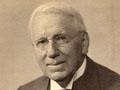
Walter Nash was born in Kidderminster, Worcestershire, England, on 12 February 1882, the fifth of six children of Alfred Arthur Nash and his wife, Amelia Randle. The family was poor and Alfred was often drunk. A rug…


Walter Nash was born in Kidderminster, Worcestershire, England, on 12 February 1882, the fifth of six children of Alfred Arthur Nash and his wife, Amelia Randle. The family was poor and Alfred was often drunk. A rug…
Rua Kēnana, sometimes known as Ruatapunui, has usually been considered to be the posthumous son of Kēnana Tūmoana of Ngāti Kahungunu, who was killed fighting for Te Kooti Arikirangi Te Tūruki at Mākāretu sometime…
Te Hāpuku, sometimes called Te Ika-nui-o-te-moana, was born in the late eighteenth century. He was a leader of Ngāti Te Whatuiāpiti. Kinship links within Ngāti Kahungunu, Rangitāne, Ngāti Ira and other major tribal…
Tarapīpipi was the second son of Te Waharoa of Ngāti Hauā. His mother was Rangi Te Wiwini. He was born in the early nineteenth century, possibly about 1805, at Tamahere, on the Horotiu plains. As a young man in the…
Te Puea Hērangi was born at Whatiwhatihoe, near Pirongia, on 9 November 1883. Her mother was Tiahuia, daughter of Tāwhiao Te Wherowhero of Ngāti Mahuta, the second Māori King, and his senior wife, Hera. Her father was…
Early life On 29 May 1953 New Zealander Edmund Hillary and Nepali Tenzing Norgay, as part of a British team, reached the 8,848-metre summit of Mt Everest, the world’s highest mountain. This was the culmination of 12…
Ian Prior was an influential doctor, activist and art patron. His ground-breaking health surveys in Pākehā and Māori communities in Aotearoa New Zealand and in Cook Islands and Tokelau earned him recognition as the…
Michael King was New Zealand’s most popular late twentieth-century historian. His best work combined the research-based scholarship of a historian with the fluent accessible style of a journalist. His output was…