

-
Cottage
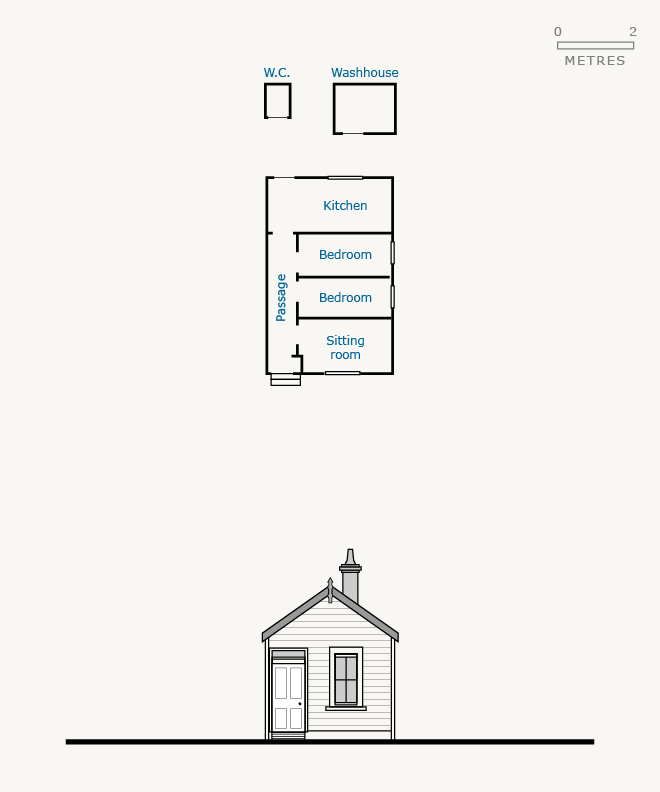
-
Bungalow
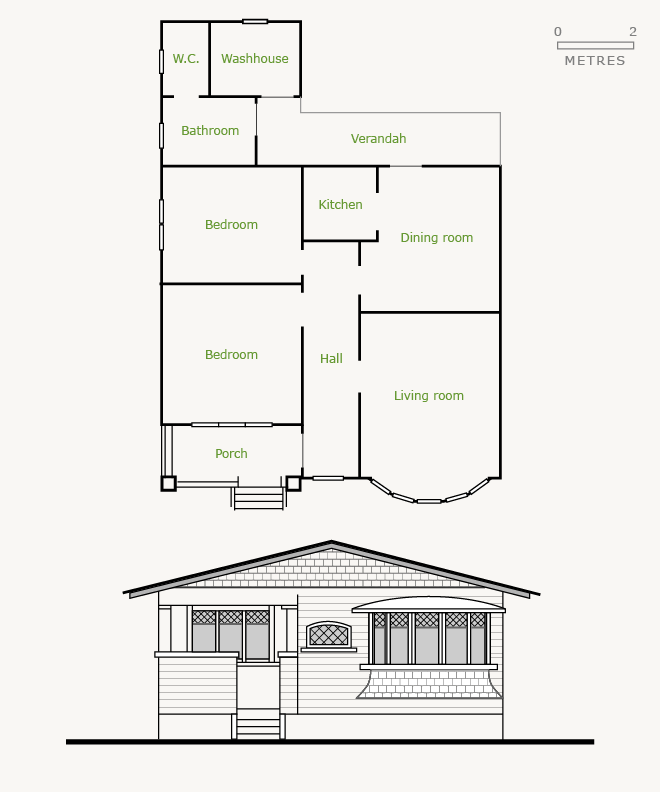
-
State house
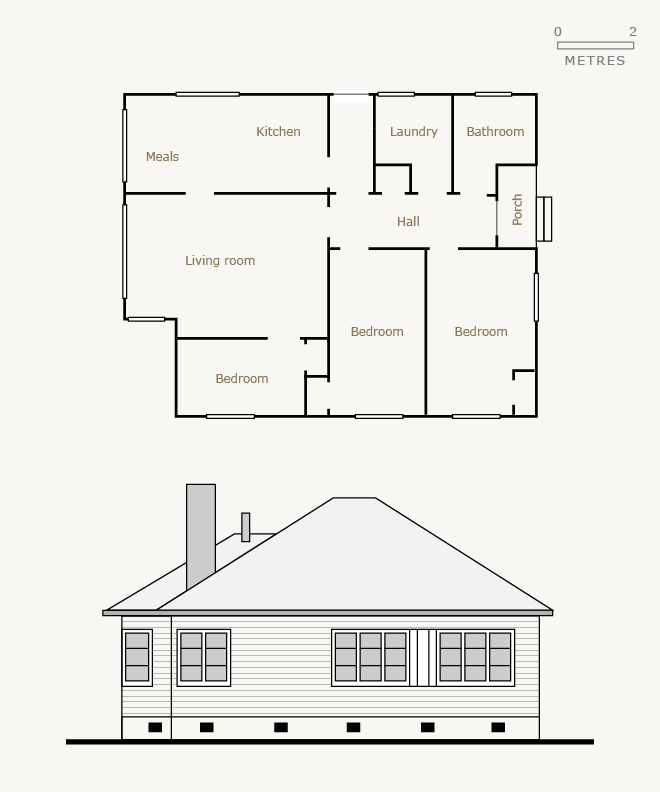
Housing floor plans have changed over time. A typical 19th-century worker’s cottage (1) was small and had one or two bedrooms. Long, narrow sections meant new lean-to rooms were often added at the rear of the cottage. Washhouses and toilets (usually a long-drop) were built in the back yard.
The 1920s and 1930s Californian bungalow (2) usually had two or three bedrooms. Whereas in the cottage and villa the kitchen was a social hub, in the bungalow it became a working space for the housewife and was reduced in size. In the early bungalows toilet and washing facilities were outside at the back of the house, but in later ones they came inside, reflecting greater interest in family hygiene.
The 1930s and 1940s English cottage-style design used in state (public) housing (3) also had two to three bedrooms. Whereas in the past the living room had always been at the front of the house, in the English cottage-style house it was sited to maximise exposure to sun. The dining room was replaced by a kitchen meals recess so the homemaker was not isolated in the kitchen.
Te whakamahi i tēnei tūemi
Te Ara - The Encyclopedia of New Zealand
This item has been provided for private study purposes (such as school projects, family and local history research) and any published reproduction (print or electronic) may infringe copyright law. It is the responsibility of the user of any material to obtain clearance from the copyright holder.